
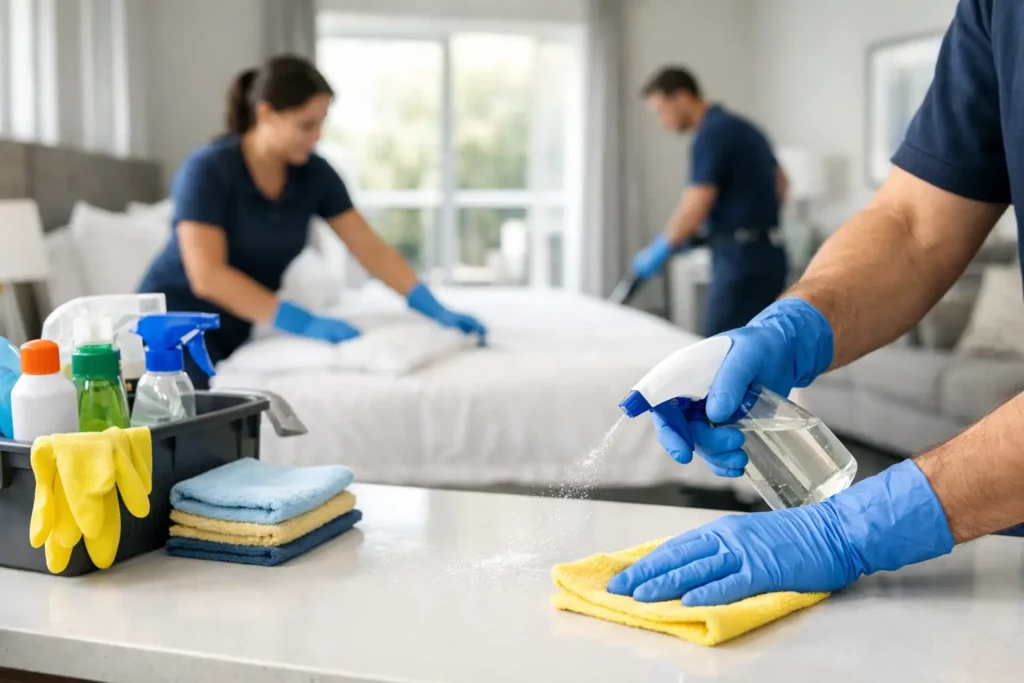
A vacant rental can become expensive faster than most owners expect. Every extra day between tenants means lost rent, rushed repairs, and a weaker first impression for the next applicant. Turnover cleaning for rental properties is the practical step that helps you reset the space, spot problems early, and get it ready to show without cutting corners.
A quick wipe-down is rarely enough after a move-out. Even responsible tenants leave behind dust in vents, buildup on fixtures, crumbs in drawers, and grime in places that are easy to miss during a walkthrough. A thorough cleaning creates a cleaner handoff for your maintenance team, new tenant, or property manager.
Why Turnover Cleaning Matters Between Tenants
Renters notice the details the moment they walk in. They open the refrigerator, check the bathroom, look inside cabinets, and run a hand across windowsills. If those areas look neglected, the property can feel poorly maintained even when the paint is fresh and the appliances work.
For property owners and managers, a consistent turnover cleaning process also makes decisions easier. Once the old tenant’s belongings and surface dirt are gone, you can see stains, damaged flooring, missing hardware, mold concerns, pest activity, and maintenance needs that may have been hidden. Cleaning does not replace a proper move-out inspection, but it makes that inspection more accurate.
The right level of service depends on the condition of the home and how long the previous tenant lived there. A lightly used unit may need a standard move-out clean and a few touch-ups. A home with pets, heavy kitchen grease, smoking residue, or months of neglected bathrooms may need a deeper cleaning plan before it is ready for market.
Start With a Clear Turnover Schedule
The smoothest turnovers are planned before the tenant hands over the keys. Confirm the move-out date, schedule the inspection, arrange repairs, and reserve cleaning as early as possible. Waiting until the last minute often leads to gaps in the schedule, especially when several properties turn over at once.
Cleaning should usually happen after major repairs, drywall work, painting, and flooring replacement. Otherwise, dust and debris from maintenance work can undo much of the cleaning. There are exceptions. If a unit is especially dirty, an initial clean before repairs can help contractors work more safely and identify issues more easily. A final detail clean is still needed after the work is complete.
Give everyone involved the same target date. Maintenance, cleaners, leasing staff, vendors, and owners should know when the unit must be ready for photos, showings, or move-in. A simple timeline reduces the familiar problem of one team waiting on another while the property sits empty.
A Room-by-Room Turnover Cleaning Checklist
A reliable scope of work prevents misunderstandings. Rather than asking for a general clean, define what needs attention in each room and identify any areas that need extra work.
Kitchen
The kitchen carries a lot of the turnover workload because grease and food residue build up over time. Counters, sinks, cabinet fronts, drawers, and shelves should be cleaned inside and out. Appliances deserve close attention, including the oven, stovetop, microwave, refrigerator, dishwasher exterior, and the spaces around and beneath appliances when accessible.
Do not overlook handles, light switches, backsplash areas, and the inside of the trash cabinet. These high-touch spots can make an otherwise clean kitchen feel unfinished. If the refrigerator has odors or spills, cleaning should include removing shelves and drawers when practical so the unit is ready for a new tenant to stock with food.
Bathrooms
Bathrooms need more than a fast disinfecting pass. The tub, shower walls, doors, tracks, toilet, vanity, mirror, sink, faucets, and flooring should all be addressed. Soap scum, hard-water marks, hair, and residue around the toilet base are common turnover issues.
A cleaner should also check for signs that require maintenance instead of more scrubbing. Persistent dark staining, loose caulk, water damage under the vanity, slow drains, or mildew that returns quickly may point to a repair issue. Cleaning helps present the bathroom well, but it should not be used to cover up a leak or damaged surface.
Bedrooms and Living Areas
In bedrooms and common areas, focus on dust, floors, baseboards, doors, ceiling fans, blinds, window ledges, and closets. Empty closets should be vacuumed or swept, including corners and shelves. Marks on walls may need spot cleaning, but some scuffs will require paint touch-up rather than aggressive scrubbing that damages the finish.
Floors deserve an honest assessment. Vacuuming and mopping are part of a normal turnover clean, but deeply stained carpet, pet odor, damaged grout, or worn flooring may call for specialty service or replacement. Trying to solve every issue with a standard cleaning can waste time and delay the next move-in.
Entryways, Laundry Areas, and Final Details
Entry doors, doorknobs, light switches, vents, utility areas, and laundry spaces are easy to overlook because they are not the main living areas. They still matter. A clean entry sets the tone, and a dusty laundry room can make a whole property feel neglected.
Finish with a final walk-through after the cleaning is complete. Turn on lights, open cabinets, check corners, and look at the property from the perspective of someone seeing it for the first time. This is the time to catch a missed drawer, streaked mirror, leftover sticker, or small pile of debris before a showing.
Keep Cleaning Separate From Repairs and Trash Removal
One of the most common turnover mistakes is treating every task as part of cleaning. Cleaning teams can remove normal dust, dirt, residue, and small amounts of debris within the agreed scope. Large amounts of abandoned furniture, construction material, hazardous waste, excessive trash, and biohazard conditions need separate handling.
The same applies to repairs. A clean unit may still need new blinds, smoke detector batteries, wall patching, pest treatment, drain service, or appliance repair. Assigning those items clearly protects your timeline and helps you request accurate estimates instead of discovering extra work on cleaning day.
Photos taken before and after the service can be useful for your records, especially when you are reviewing tenant damage or coordinating with an off-site owner. They also give the next team a clear view of what has been completed.
When to Hire Professional Turnover Cleaners
If you manage multiple units, live out of town, or need a property ready on a tight timeline, professional cleaning can take a major task off your plate. The value is not only in the labor. It is in having a defined scope, dependable scheduling, and a team that knows where move-out grime tends to hide.
Before booking, ask what is included in the service. Confirm whether cleaning inside appliances, cabinets, blinds, baseboards, interior windows, and closets is part of the estimate. Ask how add-ons are handled and whether the company can work around your repair and showing schedule. Clear expectations matter more than a vague low price.
All Fresh Cleaning Services can customize a move-related cleaning plan around the condition of the property and the timing of your turnover. Direct communication by phone or text makes it easier to coordinate the details without adding another complicated process to your day.
Build a Repeatable Standard for Every Vacancy
A repeatable turnover standard protects your property from inconsistent results. Use the same inspection order, cleaning scope, and final approval process for each vacancy, then adjust only for the condition of that individual unit. This makes it easier to train staff, compare vendor estimates, and keep records from one tenant to the next.
The goal is not to make every rental look brand new when normal wear is present. The goal is to deliver a clean, sanitary, well-cared-for home that feels ready for its next tenant. When the cleaning is planned early and completed thoroughly, you can move from vacancy to showing with far fewer surprises.